

Cat & Dog Cancer Diagnosis & Oncology Treatment in Chattanooga, TN
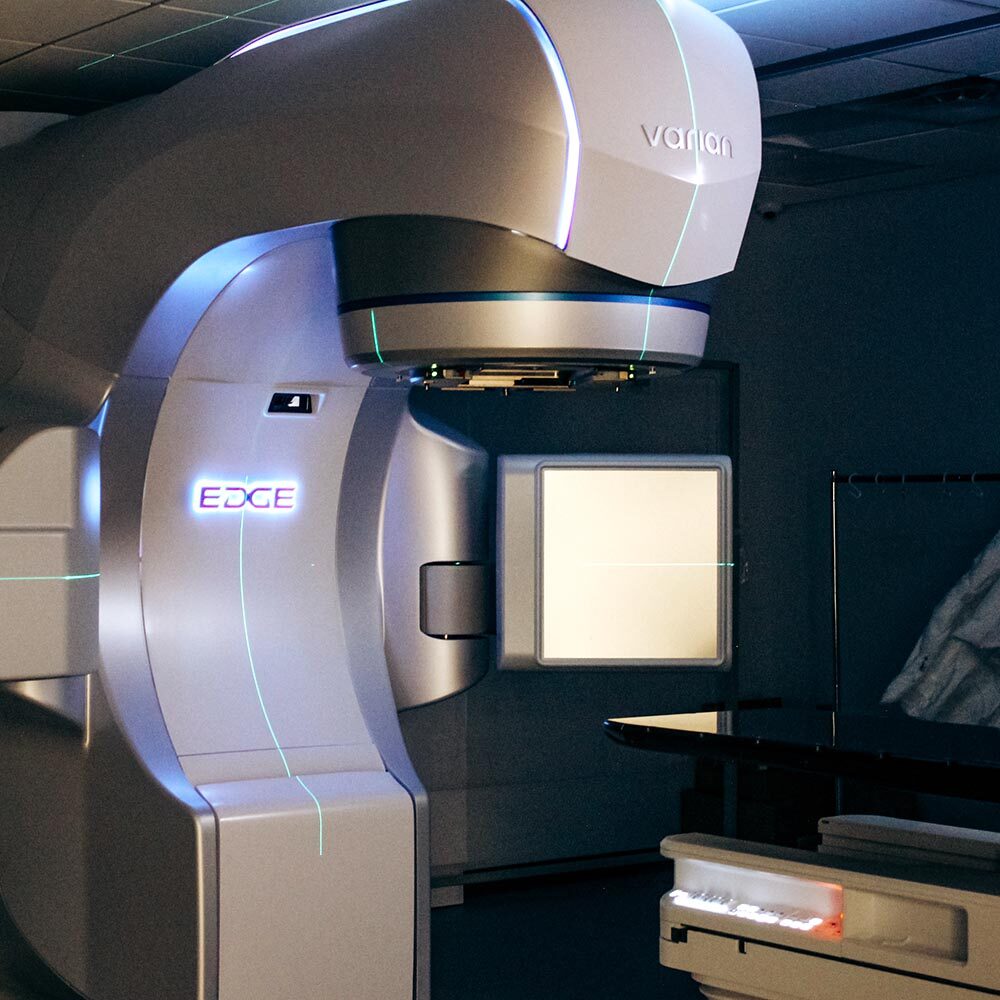
Our 25,000-square-foot cancer center is a cornerstone of our facility, providing hope and healing for pets facing cancer. With three board-certified oncologists, cutting-edge diagnostic tools, and innovative treatments, including a linear accelerator for precise radiation therapy, we’re equipped to handle even the most complex oncology cases. Additionally, VCSG is proud to partner with a groundbreaking Canine Transplant and Apheresis Center—one of only two such facilities in the world—that calls our hospital home.
Medical Oncology for Pets
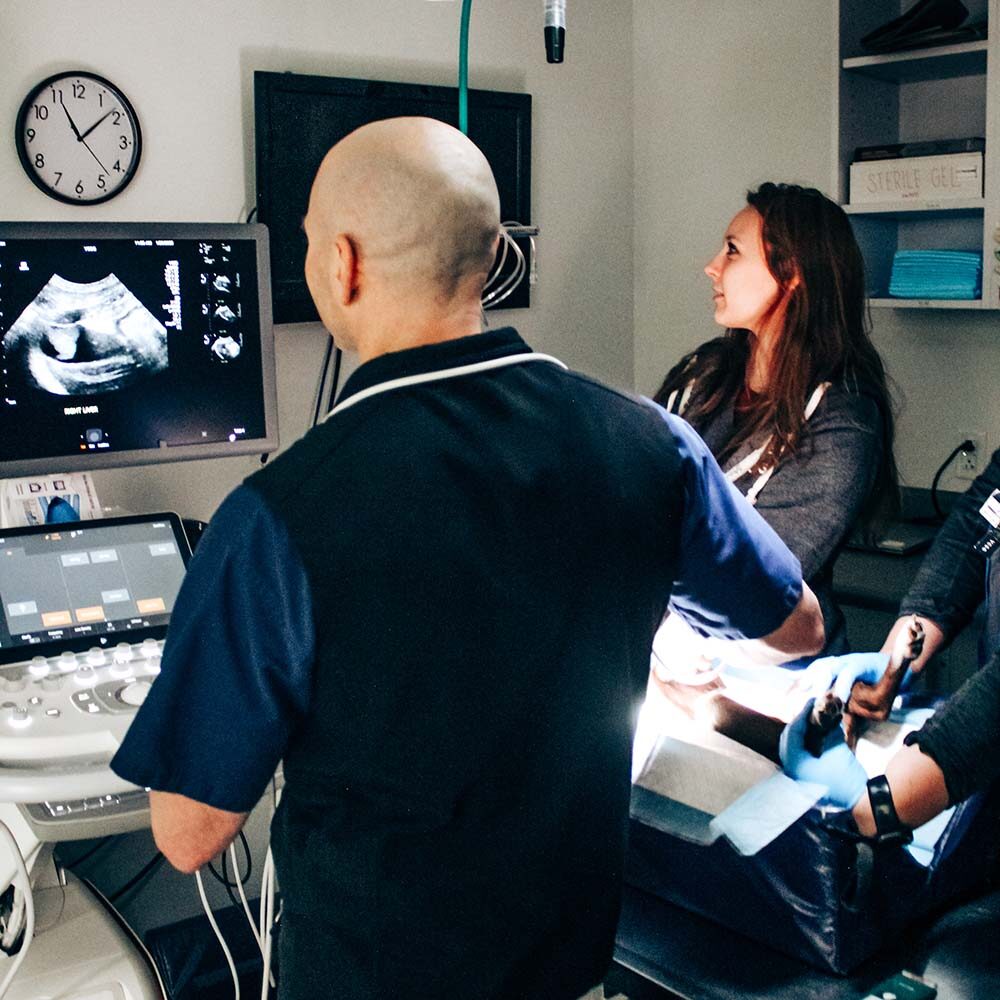
Our medical oncology team specializes in the diagnosis and treatment of cancer using chemotherapy, immunotherapy, and targeted therapies. Unlike human oncology, where aggressive treatments aim for a cure, veterinary oncology prioritizes remission and maintaining the highest quality of life for your pet.
Many pet owners have concerns about chemotherapy side effects, but rest assured, veterinary protocols use lower doses, minimizing adverse reactions while maximizing benefits. Side effects are typically mild, and our team takes every precaution to ensure your pet’s comfort throughout treatment.
We understand that a cancer diagnosis can be overwhelming. That’s why we take the time to walk you through every step of the process, from diagnosis and staging to treatment planning and ongoing support. Same-day testing, staging, and treatment are often available, providing swift and efficient care when it’s needed most.
Pet Cancers Commonly Treated with Medical Oncology
Depending on cancer type, stage, and location, medical oncology may be the best therapy for providing an optimal outcome. Conditions we commonly treat using injectable or oral chemotherapies, melanoma vaccines, Stelfonta injections, or other therapies include:
- Lymphoma
- Osteosarcoma
- Mast Cell Tumors
- Mammary Gland Carcinoma
- Thyroid Carcinoma
- Leukemia
- Squamous Cell Carcinoma
- Soft Tissue Sarcoma
- Transitional Cell Carcinoma
- Malignant Melanoma
- Multiple Myeloma
- Histiocytic Sarcoma
- Salivary Gland Carcinoma
- Anal Gland Adenocarcinoma
Radiation Oncology for Pets
Radiation therapy is an essential component of cancer treatment, particularly for tumors that are inoperable or require localized control. Our facility is equipped with a cutting-edge linear accelerator, allowing us to deliver precise, high-dose radiation with minimal impact on surrounding healthy tissue. Additionally, we have the use of Strontium-90 plesiotherapy for the treatment of small superficial lesions on the nasal planum, tongue, and ear pinnae.
Radiation therapy can be used alone or in combination with surgery and chemotherapy, depending on the type of cancer and your pet’s individual needs. Our expert team works closely with you to develop a customized treatment plan, ensuring the best possible outcome with the least amount of discomfort.
Pet Cancers Commonly Treated with Radiation
Certain cancers respond best to radiation therapy due to their location or type. Here at VCSG, we typically use radiation to treat the following cancers in pets:
- Bladder & Prostate
- Bone
- Brain
- Cardiac & Heart-Base
- Cutaneous/Subcutaneous (Bulky & Incompletely Excised)
- Lung
- MLO
- Nasal
- Pituitary
- Thyroid
The Canine Transplant and Apheresis Center (CTAC)
Your Pet’s Fight is Our Fight
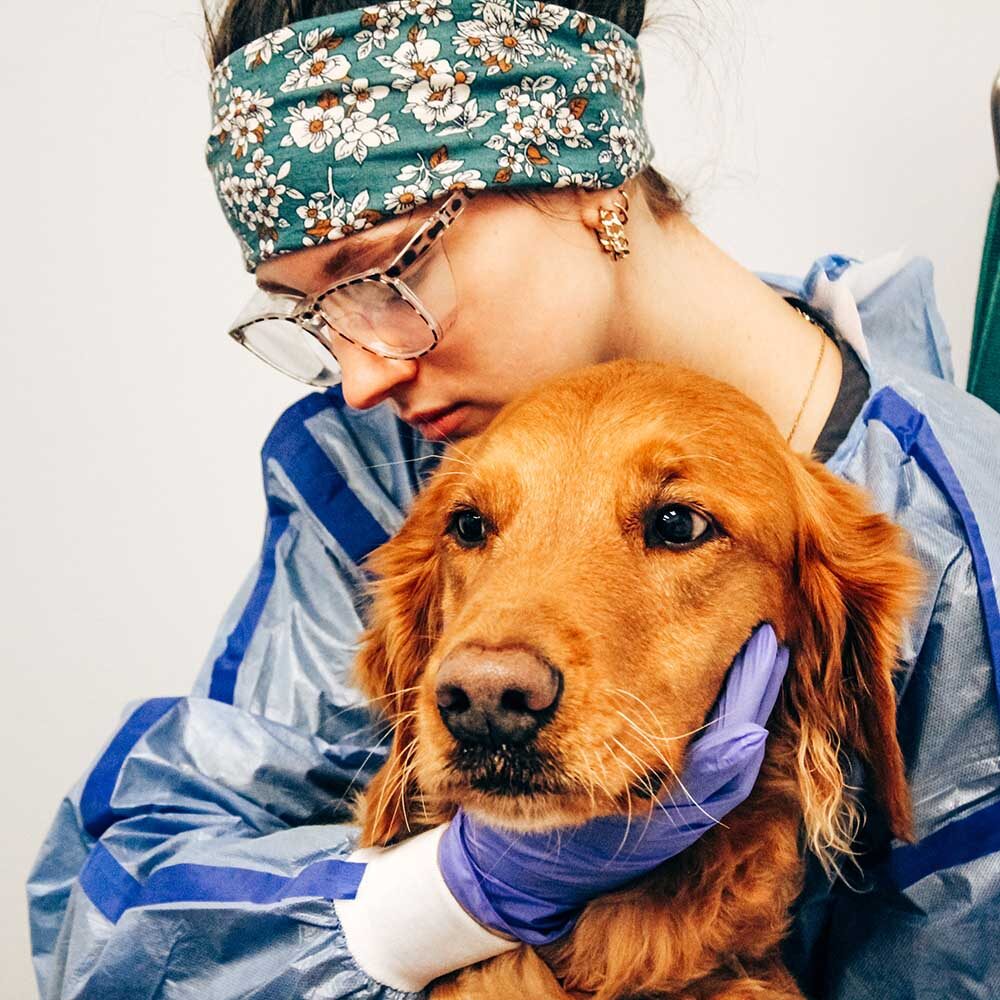
A cancer diagnosis is never easy, but you are not alone. Our dedicated oncology team is here to support you and your pet every step of the way, providing expert care, compassionate guidance, and advanced treatment options. Contact us today to schedule a consultation and explore the best path forward for your cherished companion.
Common Myths About Cancer in Pets
Below are some common myths about veterinary oncology—and the realities behind them.
Reality: Most pets tolerate chemotherapy very well.
Veterinary cancer care focuses on quality of life, not aggressive treatment at all costs. The majority of pets experience little to no side effects, and when side effects do occur, they are usually mild and manageable. Serious complications are uncommon.
Reality: Many cancers are treatable, and some are even curable.
Not all cancers behave the same way. Certain cancers respond very well to treatment, allowing pets to enjoy many months or even years of good quality life. In some cases, surgery alone can be curative. Our goal is not just more time—but good time.
Reality: These procedures are safe and extremely important.
Fine needle aspirates and biopsies are standard, low-risk tools that help us identify exactly what we’re treating. Knowing the diagnosis allows us to recommend the best and most appropriate care options for your pet.
Reality: Age alone is not a reason to withhold care.
What matters most is your pet’s overall health and comfort, not their age. Many senior pets tolerate cancer treatments very well and benefit greatly from them.
Reality: Palliative care is active, compassionate treatment.
Palliative care focuses on comfort, pain control, and quality of life while honoring your goals for your pet. This may include medications, radiation therapy for pain relief, or other supportive treatments. It is a thoughtful and loving approach—not giving up.
Reality: Some tumors cause no symptoms early on.
Many growths—both benign and cancerous—can grow quietly at first. Early evaluation often allows for simpler and more effective treatment. Any new lump or mass should be checked promptly.
Reality: Some cancers can feel exactly like benign lumps.
Certain tumors can look and feel identical to fatty masses. The only way to know for sure is to test them. A simple needle sample is quick, affordable, and often diagnostic.
Reality: Pets generally tolerate radiation therapy very well.
Radiation treatments are carefully customized for each patient. Most side effects are mild and temporary, and palliative radiation can provide rapid pain relief for certain cancers. It is a powerful and well-tolerated treatment option.
Reality: Cancer care is not all-or-nothing.
There is a wide range of options—from gold-standard treatment to more affordable comfort-focused care. Even modest interventions can significantly improve your pet’s comfort and well-being.
Reality: Choosing euthanasia can be an act of love.
When a pet’s quality of life has declined and suffering cannot be relieved, choosing euthanasia is not giving up-it is putting their comfort first. This decision reflects compassion, not defeat. Our team is here to support you with guidance, honesty, and care every step of the way.